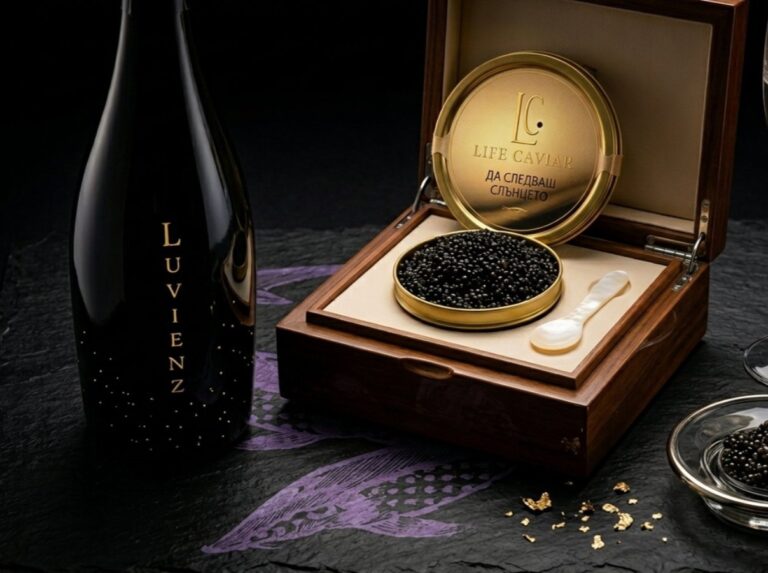
The Art of Contrast: The Tramp Who Ate Caviar with a Large Spoon
The world remembers him as the Little Tramp, with the worn jacket, wide trousers and broken shoes. On screen, he was a symbol of modesty and survival. Away from the spotlight, however, Sir Charlie Chaplin was an extraordinary aesthete, a connoisseur of detail and a man with a deep appetite for the beautiful side of life.
And his greatest, almost childlike weakness? Black caviar.
Chaplin grew up in extreme poverty on the outskirts of London, where hunger was part of everyday life. When he achieved global triumph and financial independence, he did not simply invest in property or expensive suits. One of the first things he gave himself was the freedom not to compromise with food.
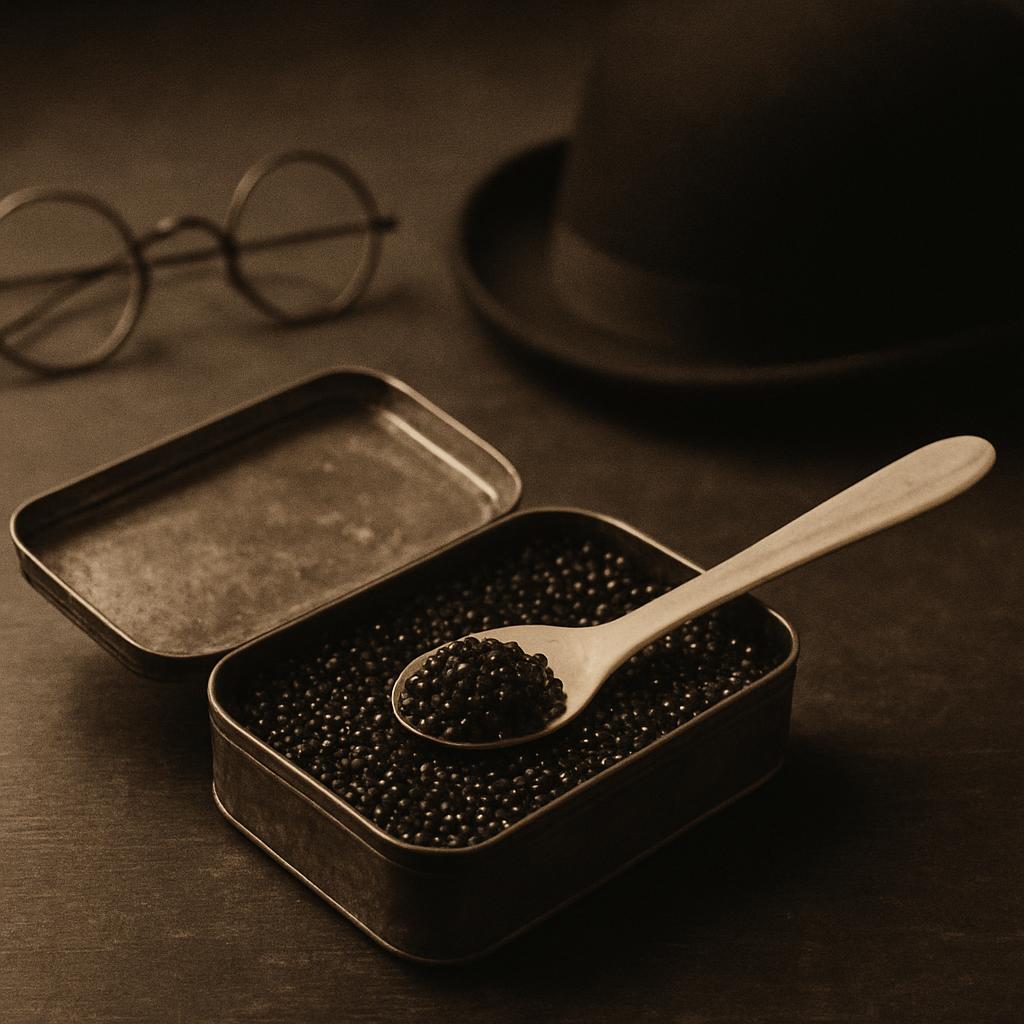
In his memoirs, Chaplin recalls that during one of his first trips to Europe as a wealthy man, he ordered an enormous quantity of first-class caviar. Instead of eating it in the classical way, on delicate bites, he sat alone, took a large spoon and ate it straight from the tin. For him, this was not just a meal. It was a personal triumph over the past. An act of pure, private pleasure.
Chaplin remained loyal to this ritual until the end of his life. He often loved to say that he could do without many things, but not without the luxury of choosing the best for himself.
Why This Story Resonates with Life Caviar
It shows that caviar is not simply a status symbol displayed before society. It is a personal triumph, an emotion and an experience.
For Chaplin, caviar was the symbol that he had won the right to live by his own rules.
This is also the philosophy of our Journal: to choose the best, even when the choice is made only for yourself.